Ultrasonic Acoustic
Leak Detection in Los Angeles
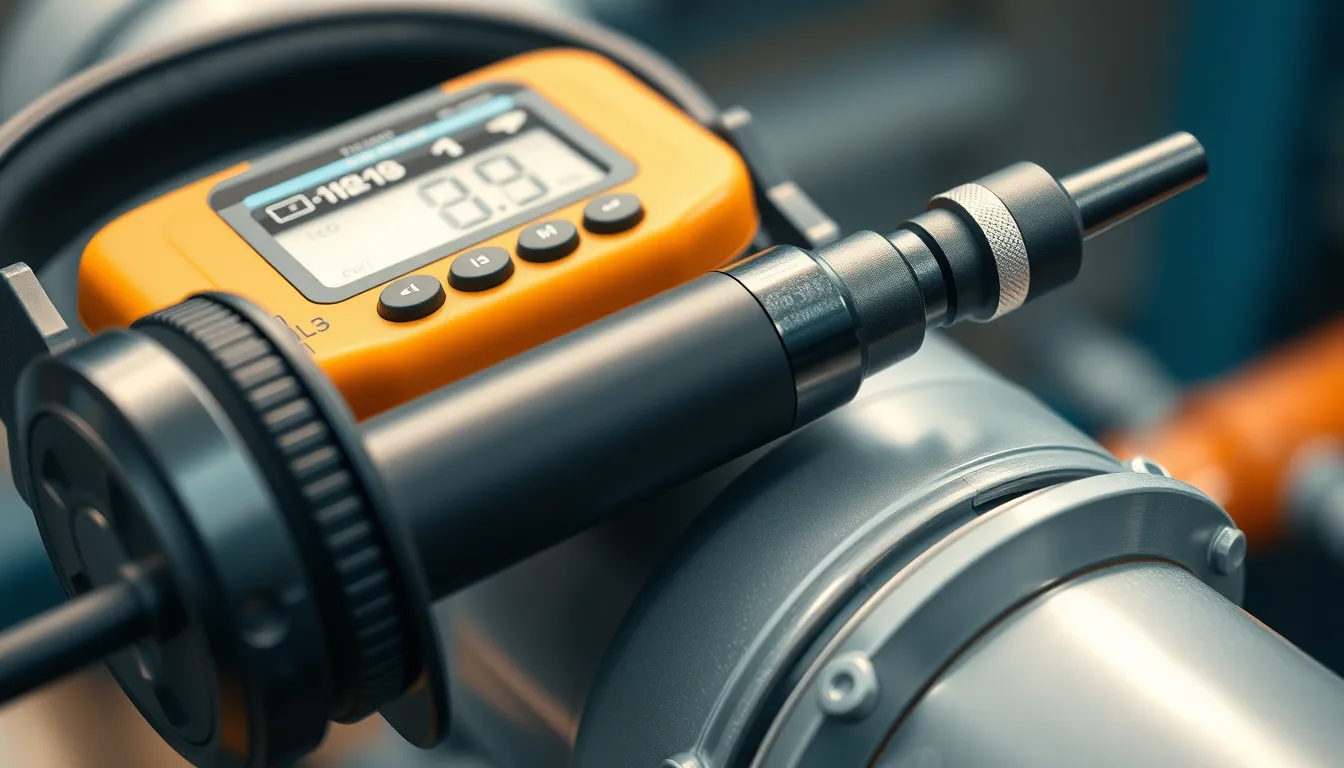
Water under pressure sings when it escapes. Our advanced acoustic listening geophones filter out ambient noise to isolate the exact pitch of your underground or in-wall pipe leak.
Request a Free Estimate
Get a fast response for your Acoustic Leak Detection
When You Need Acoustic Leak Detection: Symptoms & Technical Diagnosis
Identifying subtle indicators of plumbing breaches before catastrophic structural settling or high utility bills occur.
Inaudible Pressure Drop on Plumbing Lines
Closed plumbing system fails static gauge holding tests with zero visible water pooling.
Hissing Sounds Near Angle Stops or Manifolds
Persistent whistling or harmonic vibrations felt when touching fixture supply valves.
Water Meter Dial Spinning Continuously
Low-flow indicator dial advances steadily while all household fixtures are shut tight.
Vibrations Felt Through Floor Tiles
Subtle rhythmic vibrations or sound resonance detected on bare floors near bathrooms or kitchens.
Technical Procedure for Acoustic Leak Detection
Our systematic protocol ensures non-destructive accuracy, strict safety compliance, and certified pressure retention.
System Pressurization & Frequency Isolation
We verify system pressure at 60–80 PSI, introducing controlled hydraulic pressure to excite acoustic emissions at the leak orifice.
Valve & Contact Rod Survey
Our specialist touches high-sensitivity acoustic rods to angle stops, hose bibbs, and manifolds to identify which line carries the loudest sound amplitude.
Digital Ground Geophone Profiling
We deploy ground microphones equipped with active digital frequency synthesizers, filtering out traffic noise to track peak decibel crests.
Epicenter Verification & Surface Marking
The peak acoustic coordinate is marked directly on the surface within a 3-inch radius, providing contractors with an exact target.
The Science of Acoustic Leak Localization in Pressurized Pipes
When a water pipe holds standard domestic pressure (typically 50 to 80 PSI in Los Angeles municipal systems), any breach creates three distinct acoustic phenomena: pipe wall vibration, water impact noise against surrounding backfill, and fluid turbulence at the exit orifice.
Depending on the pipe material (copper, PEX, ductile iron, or PVC) and the surrounding density (gravel, concrete, or soil), these sound frequencies range from 200 Hz to over 5,000 Hz.
Our specialized acoustic diagnostic technicians utilize calibrated contact listening rods and ground microphones equipped with active digital frequency synthesizers. By systematically sweeping the line, we locate the decibel apex where the sound amplitude is strongest, marking the exact repair spot.
- Hissing, whooshing, or humming sounds behind walls or under floors
- Unexplained water meter movement when fixtures are shut off
- Low water pressure across localized zones of the home
- Pinpointing slab leaks beneath terrazzo, marble, or hardwood
- Tracing buried exterior water lines under driveways and street mains
Equipment, Tools & Materials We Deploy
Engineered diagnostic sensors and heavy-duty materials meeting Uniform Plumbing Code (UPC) standards.
| Category | Equipment / Material | Technical Application | Usage Criterion & Standard |
|---|---|---|---|
| Diagnostic | Digital Acoustic Leak Detector with Bandpass Filters | Listens to microscopic pipe wall vibrations through concrete, tile, and earth | Selectable digital bandpass frequency filters from 200 Hz to 5,000 Hz |
| Diagnostic | High-Sensitivity Resonant Ground Geophone | Picks up low-frequency sub-surface sound traveling through deep soil and foundations | High-density shielded sensor eliminating surface wind and ambient noise |
| Diagnostic | Direct Contact Electronic Listening Probe | Touches valves, fittings, and hydrants to trace sound directionality | Stainless steel acoustic contact rod with piezoelectric transducer |
| Safety | Acoustic Noise-Cancelling Monitoring Headphones | Protects technician hearing while isolating pure harmonic leak sounds | Conforms to OSHA 29 CFR 1910.95 occupational noise standards |
Acoustic Detection Across Pipe Materials
Acoustic frequency propagation varies significantly by pipe material. Rigid copper and ductile iron transmit high-frequency sound (1,000 Hz to 4,000 Hz) over long distances, while flexible PEX and PVC dampen sound, emitting lower frequencies (200 Hz to 800 Hz). Our digital receivers feature dedicated frequency bandpass algorithms calibrated specifically for both metallic and synthetic piping.
Acoustic Pinpointing vs. Destructive Demolition
Objective technical criteria determining whether localized repair or complete line rerouting is the smarter investment.
| Technical Factor | When Localized Repair is Advised | When Complete Replacement / Reroute is Advised |
|---|---|---|
| Detection Precision | Cuts holes in walls or floors across multiple rooms searching for the leak | Acoustic decibel peak pinpoints hole within a 3-inch radius before any cuts |
| Ambient Noise Handling | Standard listening devices fail in urban or daytime traffic environments | Digital frequency filtering eliminates wind, cars, and HVAC interference |
| Plastic Pipe Capability | Traditional plumbers cannot hear quiet leaks in flexible plastic PEX lines | Low-frequency bandpass synthesizers engineered specifically for PEX acoustics |
| Property Damage | Extensive exploratory demolition requiring costly rebuilding | 100% non-invasive acoustic sweep; zero property destruction during testing |
Acoustic Diagnostic Cost Factors
We provide transparent upfront flat-rate estimates following diagnostic inspection. Final pricing is governed by clear physical parameters:
Properties near major Los Angeles freeways or construction zones may require evening or quiet-hour testing.
Lines buried 6 feet deep under dense clay or thick concrete require higher sensor sensitivity.
Multi-manifold commercial systems with dozens of fixture branches versus single-family residential layouts.
Immediate night, weekend, or holiday dispatch for active high-volume line breaches.
Acoustic Health & Pressure Guidelines
Actionable operational practices to protect domestic water lines and prevent pressure-induced failures.
- Install Water Hammer ArrestorsArrestors absorb hydraulic shock waves caused by fast-closing solenoid valves on washing machines.
- Regulate Water Pressure Below 75 PSIHigh pressure causes high-velocity water friction that accelerates pipe wall thinning.
- Listen to Angle Stops PeriodicallyPlace a screwdriver or listening rod against bathroom angle stops; any continuous hissing indicates a leak.
- Inspect Appliance Water FeedsCheck refrigerator ice-maker lines and dishwasher feeds for micro-vibrations and loose fittings.
Acoustic Detection vs. Trial-and-Error Digging
How acoustic listening equipment saves thousands in unnecessary excavation.
| Diagnostic Factor | Basic Plumber / Guesswork | Red & Blue Acoustic Tech |
|---|---|---|
| Detection Accuracy | Broad zone estimate (+/- 10 to 20 feet) | ✓ Pinpoint accuracy within 3 inches of the breach |
| Ambient Noise Handling | Struggles in urban environments or noisy homes | ✓ Military-grade digital bandpass noise filtration |
| Pipe Material Versatility | Only effective on older metal pipes | ✓ Engineered for Copper, PEX, PVC, and Polyethylene lines |
| Property Integrity | Cuts open multiple walls or slabs hunting for the sound | ✓ Zero surface damage during acoustic sweep |
Frequently Asked Technical Questions
Direct, technical answers regarding inspection timeframes, warranty policies, and repair protocols.
Can acoustic leak detection locate leaks in plastic PEX pipes? +
Can you hear leaks through thick concrete foundations? +
What happens if ambient traffic noise in Los Angeles is too loud? +
Our Los Angeles Service Areas
Serving residential, commercial, and industrial properties across Los Angeles County.
Hear Water Running but Can't Find Where?
Let our acoustic leak detection specialists locate the exact source today. Call Red & Blue 24/7.
Request an On-Site Inspection